
What actually makes a stroller sustainable?
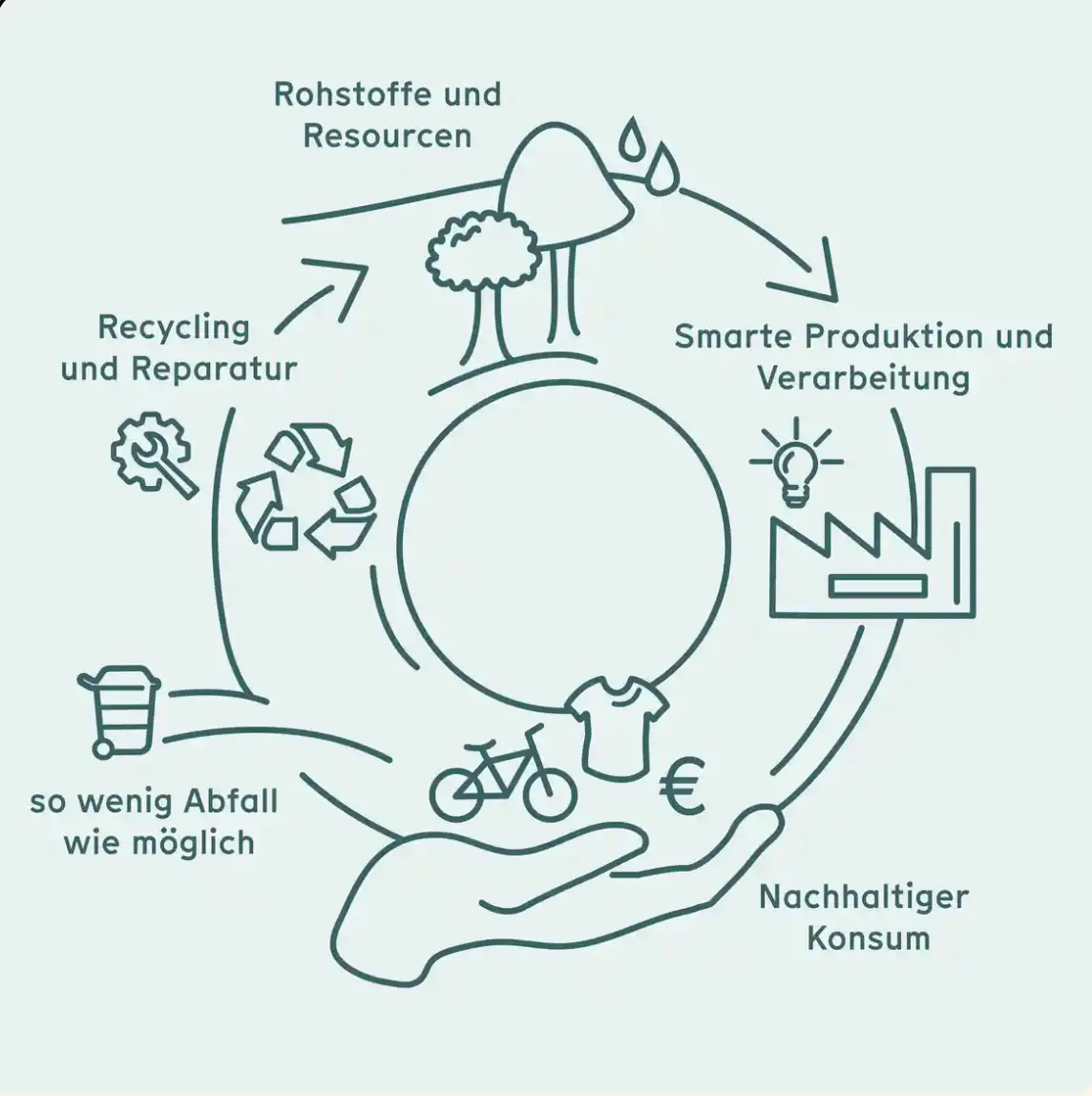
A sustainable stroller is characterized by resource-efficient materials, a long service life, and ease of repair. Another key factor is whether it can be passed on or reused after its initial use.
Four factors play a particularly important role here:
- Materials: Recycled plastics or renewable raw materials can reduce the need for new resources.
- Durability: A sturdy stroller can serve multiple children and families.
- Repairability: Replaceable components can extend the product’s lifespan.
- Reuse: Through resale or rental, products can remain in circulation longer.
After all, a sustainable stroller isn’t automatically the one with the highest percentage of recycled content. How long a product is used also plays a crucial role.
5 Sustainable Strollers and Their Unique Features
Sustainable strollers take different approaches: Greentom uses recycled plastics, Mozomoza relies on bamboo, and Bugaboo claims to reduce the carbon footprint of select models. The Thule Chariot Cross 2, on the other hand, combines multiple functions into a single product.
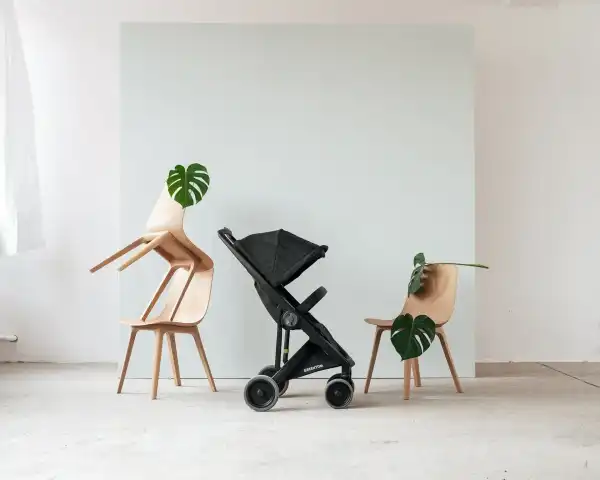
Greentom – When Plastic Bottles Become Strollers
Plastic bottles and strollers? It sounds unusual, but at Greentom, it’s part of the concept!
The Dutch brand uses recycled plastics for the frame and textiles made from recycled PET bottles. Repairability and recyclability also play an important role in product development.
What’s particularly exciting: The Greentom Carrycot uses natural materials like organic cotton, wool, and flax for the mattress.
What makes it special: Greentom combines recycled materials with a simple, everyday-friendly design.


Mozomoza – A stroller made of bamboo? Yes, really!
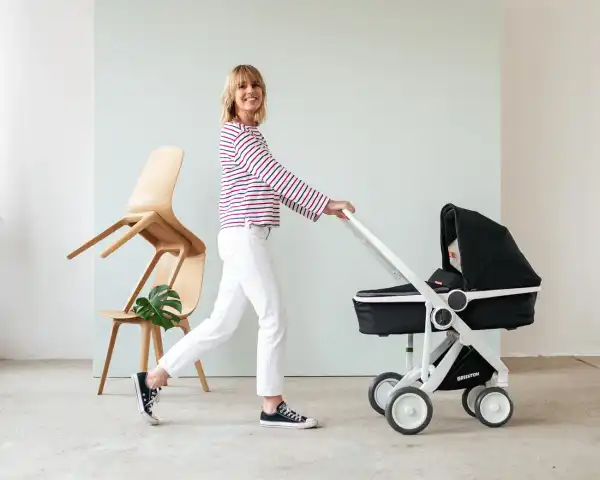
Mozomoza uses bamboo—a renewable resource—in its Panda Buggy. The material is combined with aluminum and recycled textiles. Bamboo grows relatively quickly and can sprout again after being harvested. This makes it an interesting alternative material. However, just how sustainable the finished product actually is also depends on its manufacturing, transportation, and lifespan. Another plus: Thanks to its construction using screws and nuts, the stroller is easier to take apart and repair.
What makes it special: An unusual material concept that combines design and repairability.
The Mozomoza Panda

Bugaboo Donkey 6—A Stroller That Grows With Your Child
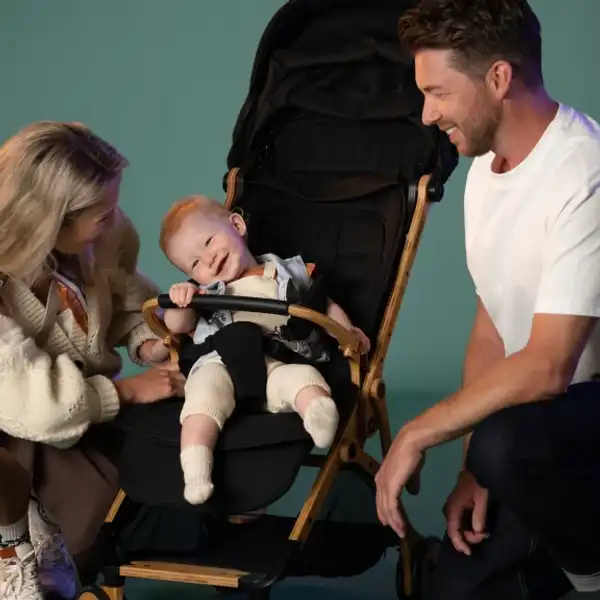
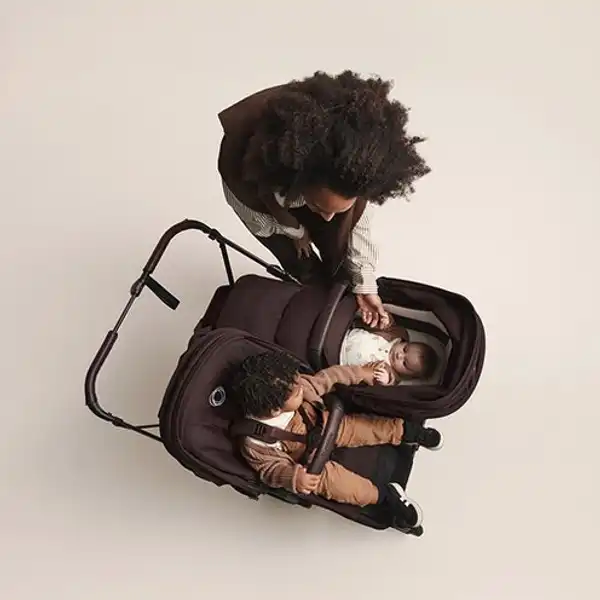
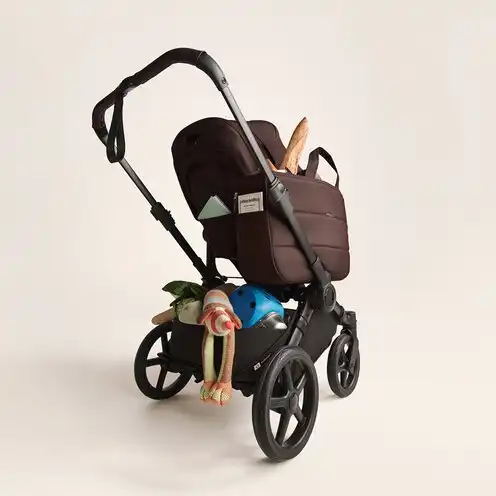
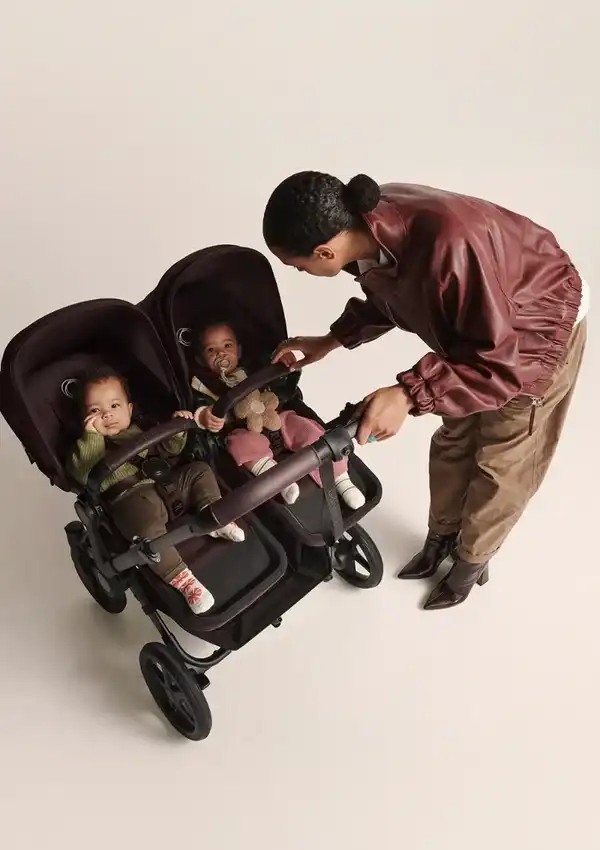
One child, two children, or twins? The Bugaboo Donkey 6 adapts to different family stages. Thanks to its modular design, it can be expanded from a single-child stroller to a sibling or twin stroller. In addition, Bugaboo uses durable, partially recycled materials and interchangeable components. According to the manufacturer, the CO₂ footprint has been reduced by 17% compared to earlier Donkey models.
What makes it special: A durable stroller that can be flexibly adapted to changing family needs.
Bugaboo 6


Bugaboo Butterfly 2 – Travel Compactly, Be More Mindful on the Go
The Bugaboo Butterfly 2 demonstrates that even a compact travel stroller can be designed with a more resource-conscious material concept. According to Bugaboo, the model has a 37% lower carbon footprint than its predecessor. Bio-based materials and recycled aluminum, among other features, contribute to this, and it’s practical, too: The Butterfly 2 folds up in just one second, making it particularly appealing for travel and everyday family life.
What makes it special: a compact design combined with a significantly reduced CO₂ footprint, according to the manufacturer.
Thule Chariot Cross 2 – One Product, Many Possibilities
A bike trailer, stroller, and jogger all in one? That’s exactly what makes the Thule Chariot Cross 2 so special. It can be used for biking and walking and can be converted into a jogger with the right accessories. This allows a single product to meet a variety of needs. This can save resources if families purchase fewer separate products as a result.
What makes it special: multifunctionality instead of multiple individual products—especially practical for active families.
Which sustainable stroller is right for you?
Which model is best depends on your needs. If you value recycled materials, Greentom offers some interesting solutions. Families looking for a stroller that grows with their child might find what they’re looking for in the Bugaboo Donkey 6.
| Model | Sustainability Approach | Particularly interesting for |
|---|---|---|
| Greentom | Recycled plastics and PET | Recycling-conscious families |
| Mozomoza Panda | Bamboo and repair-friendly design | Fans of renewable materials |
| Bugaboo Donkey 6 | Durability and modular design | Growing families |
| Bugaboo Butterfly 2 | 37% lower carbon footprint, according to the manufacturer | Families Who Love to Travel |
| Thule Chariot Cross 2 | Multifunctional use | Active families |
Why can renting a stroller be more sustainable than buying one?
Renting a stroller can conserve resources when a single product is used by several families in succession, thereby replacing the need for new purchases. The key factors here are the actual duration of use, as well as the refurbishment process and transportation routes. After all, even a stroller made from recycled materials requires resources during its production, and with children, needs change quickly: First you need a carrycot, then a buggy, and perhaps eventually a double stroller. With StrollMe, you can rent strollers flexibly and use them for as long as they fit your current life stage. Afterward, they’re returned, cleaned, inspected, and repaired if necessary. This way, other families can use the same stroller.
That means:
- Fewer strollers sitting unused in the basement.
- Longer use of well-maintained products.
- More flexibility as your needs change.
- No hassle with reselling.
Of course, the rental model also generates emissions from shipping, cleaning, and return shipping. Whether renting is more climate-friendly in a specific case therefore depends on various factors. Nevertheless, the principle of the circular economy shows how durable children’s products can be used more efficiently.
Conclusion: Sustainability starts with making the right choice
Sustainable strollers don’t have to be boring or complicated. Greentom shows what can be made from recycled plastics. Mozomoza relies on bamboo, while Bugaboo focuses on durable materials and well-thought-out designs. Thule proves that a single product can serve multiple functions. But sustainability doesn’t end with manufacturing. How long a stroller is used is also crucial, and this is exactly where StrollMe comes in: own less, use longer, and let more families share in the experience.
Sounds like a good plan for the future of our little ones, doesn’t it?


