Bicycle Seats
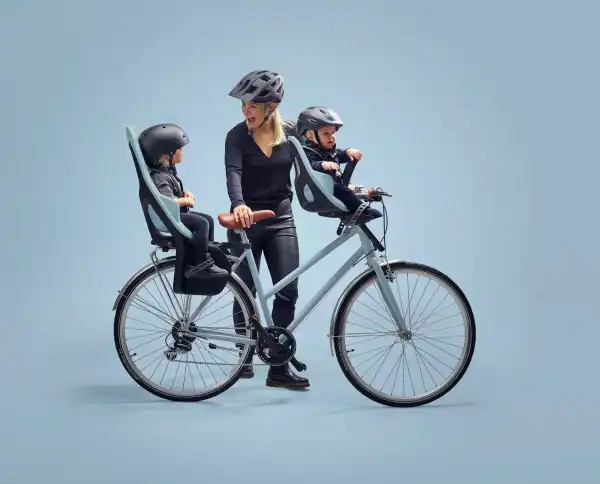
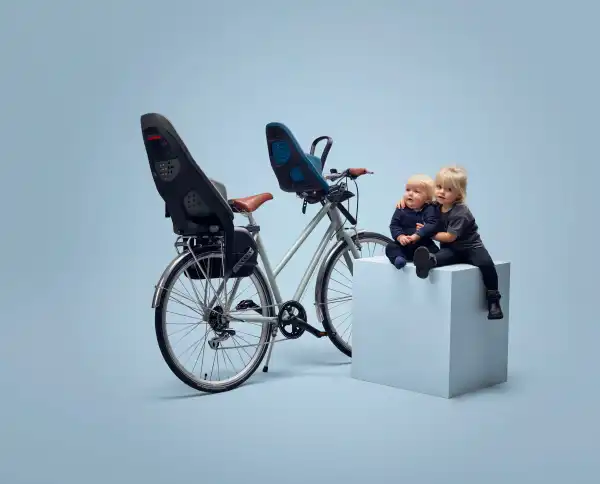
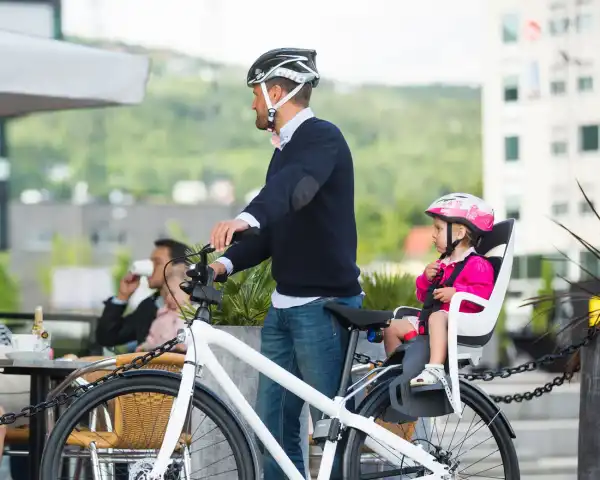
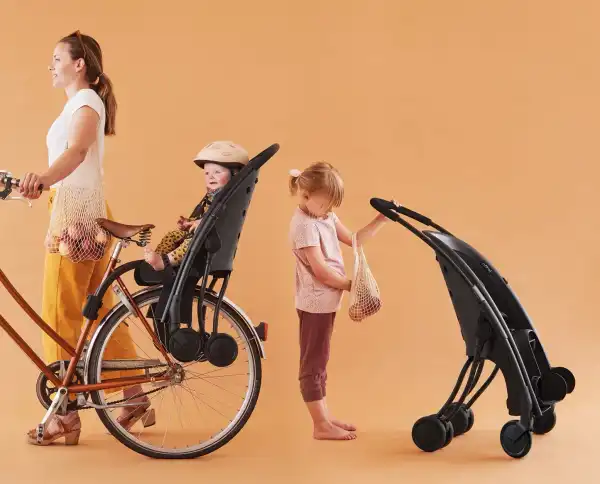
Child Bike Seats – riding together, staying close
Kindergarten shuttle, playground trip or just a quick stop at the supermarket – with a bike seat you save traffic jams, parking stress and nerves. Instead, you get fresh air, exercise, and your child sits close to you, safe and comfortable. Short chats, curious comments (“Daddy, faster!”) and seeing the world through your child’s eyes make even short trips special.
A child bike seat is not only practical, but also a real mood booster for everyday family life. Boredom in the car? Not at all. You pedal, your little co-pilot enjoys the ride – and at the same time you get things done in a relaxed, sustainable way with a portion of fun. In this guide, you’ll learn when a bike seat makes sense, which model fits age & weight, what applies to e-bikes, and which alternatives (bike trailer, cargo bike) are worth considering.
Which seat solution fits which age/weight?
Sooner or later every family faces the same question: When can we take our child in a bike seat – and how long will it fit? Clear guidelines on age and weight help to ensure you are safe on the road and the seat really fits.
The rule of thumb: as soon as your child can sit independently and hold their head steadily – usually from about 9 to 12 months. Weight is also important: child bike seats are standardized for 9 to 22 kilograms. This usually covers use until the fifth or sixth year of life.
| Age / Development stage | Weight | Seat position | Suitable models at StrollMe | Note |
|---|---|---|---|---|
| From sitting ability (~9–12 months) | approx. 9–12 kg | Front or rear | Thule Yepp Mini 2, Thule Yepp Maxi 2 | Front seats create closeness but are mainly suitable for shorter rides; keep handlebar clearance in mind |
| Toddler (1–3 years) | 10–15 kg | Rear | Thule Yepp Maxi 2, Hamax Caress, Påhoj | Rear seats offer more stability and comfort, e.g. adjustable backrest and footrests |
| Preschool age (3–6 years) | 15–22 kg | Rear | Thule Yepp Maxi 2, Hamax Caress, Påhoj | Usable up to a maximum of 22 kg – this is where the official EN 14344 standard ends |
⚠️ Attention Austria: By law, children may only ride in the rear – front seats on the handlebar are not permitted in road traffic. Riders must be at least 16 years old, and helmet use is mandatory for children up to the age of 12.
Bike seats and e-bikes – what is allowed and what to look out for
More and more parents are using e-bikes – logically the question arises: Can I transport my child in a bike seat?
- ✅ Pedelec / E-bike up to 25 km/h: Yes, child seats may be used on e-bikes. Pay attention to the manufacturer’s information, the maximum load of the carrier or frame, and correct installation.
- ⚠️ S-Pedelec / E-bike up to 45 km/h: No, with these fast bikes it is not permitted to transport children in a bike seat.
- 💡 Safety tips: Always ride with a helmet (for you and your child), mount the seat firmly and ensure good visibility with reflectors or lights.
This way you stay safe electrically as well – and can take your child in the bike seat on the e-bike without stress. For active families who like to ride e-bikes and plan longer tours, it is also worth taking a look at our bike trailers – they offer more storage and comfort on longer rides.
Bike seat, bike trailer or cargo bike – what suits you?
Bike seat, bike trailer or cargo bike – each solution has its advantages. The bike seat is agile and close to the child, the trailer offers storage and weather protection, and the cargo bike scores with space for several children. Which option suits you best depends on your daily routes. At StrollMe you can flexibly test what works.
Rent bike seats at StrollMe – flexible, smart & stress-free
A bike seat is worth its weight in gold in everyday life – but you don’t have to buy one straight away. Children grow quickly, needs change, and what fits today may soon be too small or impractical. This is where StrollMe comes in: instead of committing, you can simply rent. More flexibility, less purchase stress.
- Stay flexible: You decide how long you want to use the bike seat and can easily switch to another model.
- No wrong purchase: First test in everyday life whether the seat really suits you – without risk.
- Sustainable: Every bike seat is checked, cleaned and reused after return. This saves resources and avoids unnecessary consumption.
- All-round convenient: Delivery to your doorstep, easy return and support if you have any questions.
FAQ – the most frequently asked questions about bike seats
1. From when can my child ride in a bike seat?
As soon as your child can sit up unaided and hold their head steadily – usually from 9 to 12 months. Before that, a bike seat is not suitable.
2. How long can a child ride in a bike seat (up to how many kg)?
Most child bike seats are approved according to EN 14344 for 9 to 22 kilograms. That means: usable until about 5–6 years – depending on your child’s development.
3. Bike seat in front or back – which is better?
In front you have closeness and eye contact, in the back more stability and comfort. For short trips the front seat is practical, for longer rides the rear seat is the better choice.
4. Is a bike seat allowed on an e-bike?
Yes, on pedelecs / e-bikes up to 25 km/h. Pay attention to the manufacturer’s information and the load capacity of the carrier. On S-pedelecs (up to 45 km/h) bike seats are prohibited.
5. Which standard must I look for when choosing a bike seat?
Important is the European standard EN 14344. It ensures that bike seats are tested for 9 to 22 kilograms. All models at StrollMe meet this requirement.
6. Does my child need a helmet in the bike seat?
Yes, always! In Germany it is strongly recommended, in Austria it is mandatory up to the 12th birthday. Suitable helmets and accessories can be found directly with us.
7. Are front seats allowed in Austria?
No. In Austria only rear seats are allowed – front seats on the handlebar are not permitted in road traffic.
8. Does every bike seat fit on every bike?
Not necessarily. It depends on the mounting type (frame or carrier mounting) and the load capacity of your bike. At StrollMe we are happy to advise you on the right solution.
9. Bike seat or bike trailer – which is more sensible?
For short, spontaneous trips a bike seat is great. If you are planning longer tours or want more storage, a bike trailer is often more practical.
10. Can you rent a bike seat at StrollMe instead of buying?
Sure! At StrollMe you can also rent high-quality models from Thule, Hamax or Påhoj. This way you stay flexible, save money and avoid unnecessary wrong purchases.
