
Finding the right kids' bike is harder than many parents realize. What size does my child need? Is a 16-inch
or 20-inch bike
the right choice? Should you buy a new kids' bike, buy one used, or rent one instead?
In this guide, you’ll learn how to determine the right size for a children’s bike, what mistakes parents often make, and what to look for in terms of weight, brakes, and features.
Balance Bike or Children’s Bike—Which Should My Child Start With?
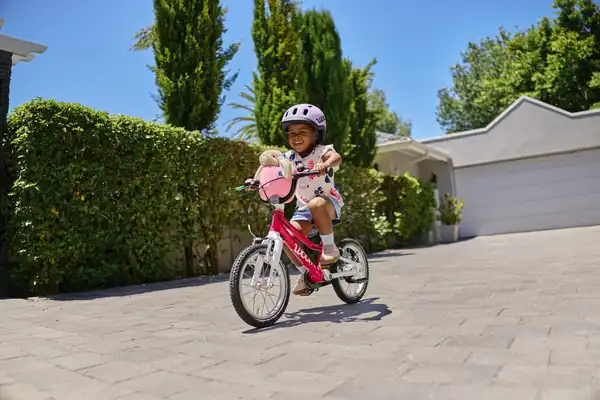
Before we get into children’s bikes, here’s a question: Has your child ridden a balance bike yet? If so, they’ve already reached their first milestone. Today, balance bikes are considered the best way to prepare for riding a regular bike. They help children intuitively learn to maintain their balance. Children who have used a balance bike as toddlers usually transition effortlessly to a children’s bike with pedals. For the very youngest, there are now even early-stage alternatives to the classic balance bike. The Balance Bike from Woom Wow provides a playful introduction to mobility and helps develop balance, coordination, and self-confidence from an early age.
Tip: Training wheels may sound helpful, but they’re actually counterproductive. They prevent children from developing true balance.
Finding the right bike size: We’re here to help!
The most common question: What size does my child need? The answer is simpler than you might think once you know what to look for.
Determining the right size for a kids’ bike: Measuring height and inseam correctly
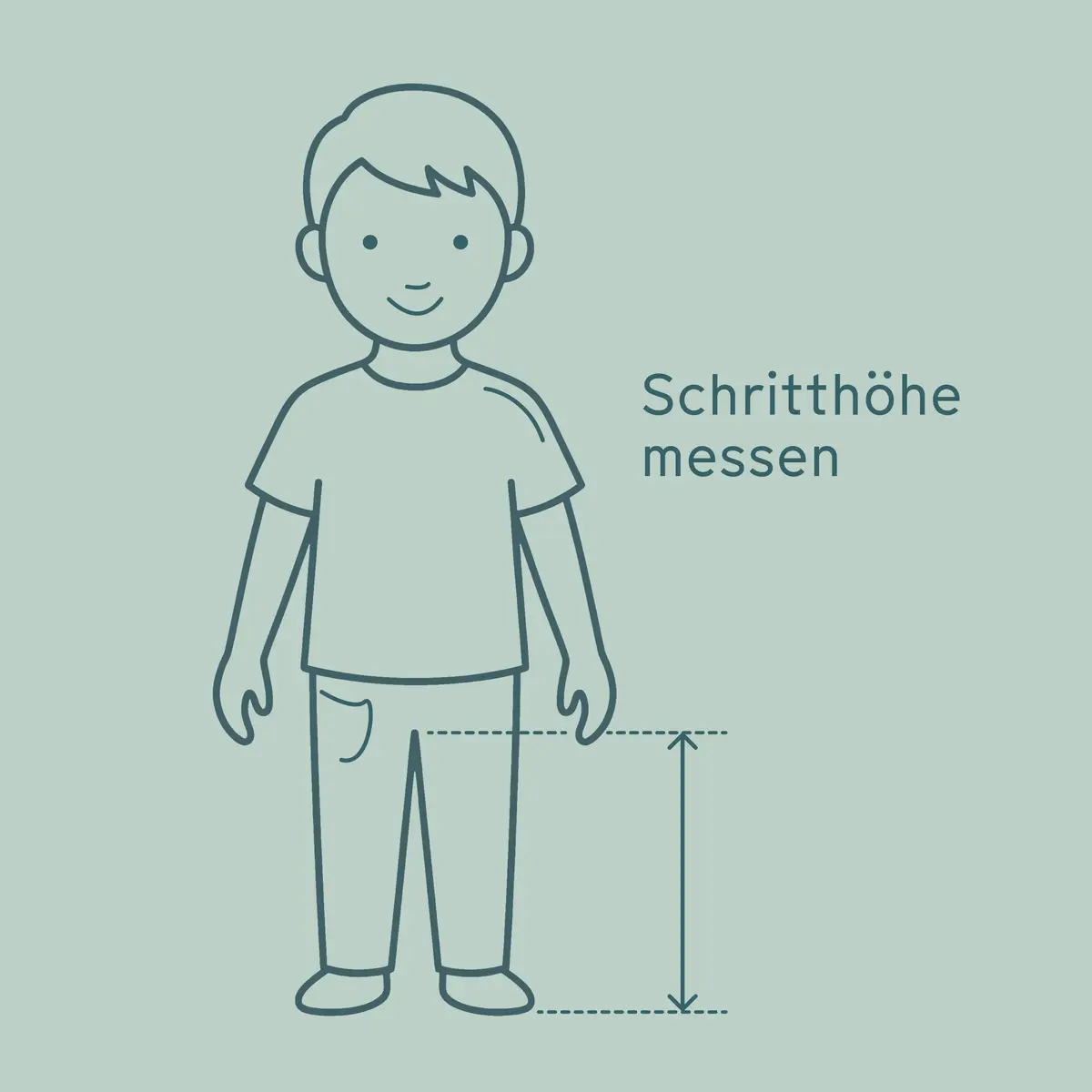
Children’s bikes are measured in inches—specifically, the diameter of the wheels—which does not include the frame height. To measure your child’s height correctly, also measure their inseam:
- Have your child stand up straight, barefoot
- Slide a thick book firmly between their legs (as high as possible)
- Measure the distance from the top edge of the book to the floor
Children’s Bike Size Chart: Which Inch Size for Which Age?
| Child’s Age | Height | Inseam (cm) | Recommended Bike Size | Matching Models at StrollMe |
|---|---|---|---|---|
| 9–36 months | 70–100 cm | 24–40 cm | Woom WOW Balance | Woom WOW |
| 1.5–3.5 years | 82–100 cm | 30–40 cm | 12 inches | Woom GO 1, Puky LR Light, KUbikes 12 Superlight |
| 3–4.5 years | 95–110 cm | 38–48 cm | 14 inches | Woom GO 1 PLUS, Woom GO 2, Academy Grade 1, Cube Cubie 120 |
| 4–6 years | 105–120 cm | 44–53 cm | 16 inches | Woom GO 3, Woom GO 3 Automagic, Puky LS-Pro 16, Cube Cubie 160, Academy Grade 3 |
| 6–8 years | 115–130 cm | 52–63 cm | 20 inches | Woom GO 4, Woom Explore 4, Woom OFF 4, KUbikes 20, Academy Grade 4 |
| 8–11 years | 128–145 cm | 60–72 cm | 24 inches | Woom Explore 5, Woom OFF 5, Cube Acid 240, KUbikes 24 |
| Ages 11 and up | 145 cm and up | 70 cm and up | 26 inches | Woom Explore 6, Woom OFF 6, Woom UP 6 (e-bike), Cube Acid 260 |
Important: Age is only a guideline. Children develop at different rates. Therefore, always base your choice on height and inseam length.
Did you buy a kids’ bike that’s too big? The most common mistake many parents make
Especially with a child’s first bike, the child must be able to safely reach the ground with both feet while sitting in the saddle. This provides the necessary confidence when starting, braking, and balancing. As the child becomes more confident, the saddle can be raised higher over time.
Rule of thumb for advanced riders: For experienced children riding bikes 20 inches or larger, it’s enough if they can lightly brace themselves with one foot.
Here you can find out which wheel size is right for your child and discover different models of children’s bikes.
What should you look for when buying a children’s bike?
Many parents buy a bike that’s one size too big so the child can “grow into it.” This is a common mistake. Because a bike that’s too big:
- Is harder to steer and brake
- Makes the child feel insecure while learning
- Can lead to falls in the worst case
The bike should always fit now, not just in a year. The seat and handlebars can usually be adjusted by a few centimeters, which is enough to account for growth. That’s exactly why it can make sense to rent a children’s bike at first. At StrollMe, you’ll find children’s bikes in various sizes that you can flexibly adjust as your child grows. As soon as the bike becomes too small, you can easily exchange it for the next size up, so your child is always riding a bike that fits perfectly
What makes a good bike?
Weight: The lighter, the better
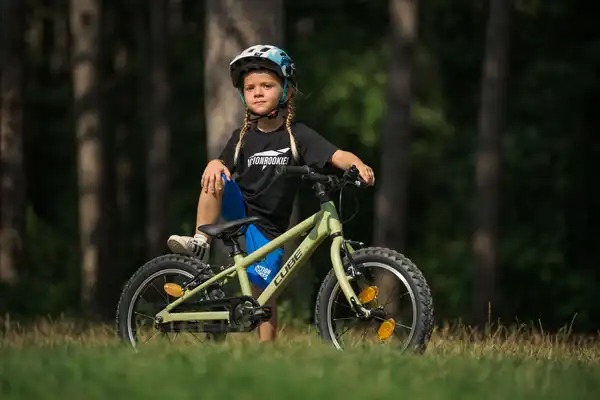
A heavy bike is like carrying a 20-kilo backpack while riding—for a child, just as it is for us. As a rule of thumb: The bike should weigh no more than 40% of the child’s body weight—preferably significantly less. High-quality brands like woom, Puky, and Cube use lightweight aluminum frames.
A typical 3-year-old weighs about 14 kg
Calculation:
14 kg × 40% = 5.6 kg; the Woom Go 2 weighs 5 kg


Hand Brake: At What Age Do They Make Sense?
Small children’s hands often lack the strength to pull hard enough on a hand brake.
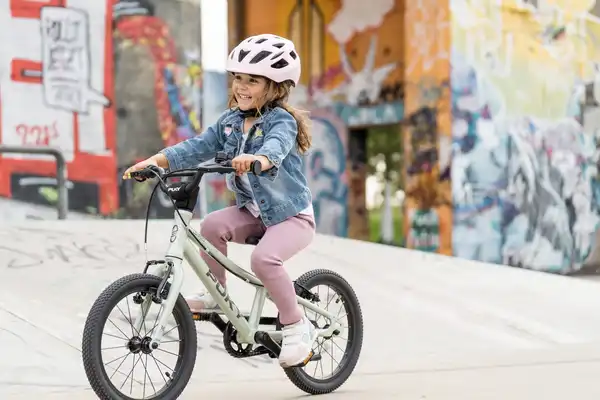
For beginner bikes, child-friendly hand brakes that require minimal hand strength and have color-coded brake levers are particularly helpful. They make it easier for children to brake and stay oriented. By around 5–6 years of age, most children have mastered hand brakes and can control their braking force precisely.
Gears: Yes or no?
For most children up to about 7 years old, a single-speed bike is perfectly sufficient. A gear system adds weight and requires additional coordination skills. For bikes 20 inches and larger, a simple 3- or 7-speed gear system can be useful, for example, for school routes with hills.
Safety: What’s essential?
- Helmet: Although there is no legal requirement for cyclists to wear helmets in Germany, the head is the most vulnerable part of the body in the event of an accident.
- Reflectors & lights: Required for riding on public roads. For younger children, reflectors are at least recommended.
- Bell: An easily accessible bell is part of the basic equipment for a children’s bike. It allows children to alert other road users to their presence early on
- StVO: Children up to age 8 are allowed to ride on the sidewalk. Starting at age 10, they must ride on bike paths or the road.
Should you buy a children’s bike, buy one used, or rent one?
Children grow quickly and outgrow their bikes just as fast. Many parents therefore ask themselves: Is buying one even worth it?
Buying
New
A new children’s bike offers many advantages: It’s ready to use right away, tailored to the child’s needs, and can be used individually throughout its entire lifespan. However, since children go through several bike sizes in their early years, it’s worth comparing different options early on—from buying new to buying used to flexible rental models.
Buying
Used
Saves money but requires careful inspection before buying: check the frame for cracks, test the brakes, and inspect the condition of the tires. Platforms such as secondhand marketplaces or specialized bike exchange sites are good places to start.
Renting—the flexible alternative
This is exactly where the StrollMe model comes in: a circular economy isn’t created on a large scale, but through many small decisions.
When you rent from StrollMe, you help keep products in circulation longer—and that’s exactly what makes the difference. At StrollMe, you’ll find kids’ bikes from high-quality brands like woom, Cube, and Puky starting at €7 per month, including repair service and free return shipping. Repairs? StrollMe takes care of them.
Outgrown it? Just switch to the next size.
Conclusion: Finding the Right Kids’ Bike
If you’re buying or renting a kids’ bike, there are three main things to keep in mind:
- The right size: Measure height and inseam; never buy “just in case.”
- The right weight: The lighter, the better—especially for beginners.
- The right brakes: Brakes that require minimal hand strength and feature color-coded levers for young children, and hand brakes for older kids.


