
Why does my baby sleep worse on vacation?
Babies rely heavily on routines. Familiar routines, familiar sounds, and set rituals give them a sense of security and help them fall asleep. On vacation, many things often change at once, and that’s exactly what can affect their sleep. Here’s an overview of the most common reasons:
1. Unfamiliar surroundings
A new bed, a different room, unfamiliar furniture, and new smells. For babies, this is a completely new world that they first have to “process” before they can relax. If a long trip or even a different time zone is added to the mix, their usual sleep-wake cycle can become even more disrupted.
2. Different noises and lighting conditions
Thin hotel walls, a humming air conditioner, street noise, or too much daylight filtering through thin curtains can seriously disrupt sleep, especially if your baby is used to darkness and quiet at home.
3. Disrupted routines
Long trips, delayed meals, and later bedtimes throw your usual daily rhythm off track. The result is exhaustion, and paradoxically, overtired babies often sleep worse rather than better.
4. Sensory Overload
New experiences, unfamiliar faces, unusual temperatures, and an eventful day all need to be processed—often right when it’s time to sleep.
5. Lack of a Familiar Sleeping Spot
Their own bed, their familiar crib, or the mattress they know well provide a sense of security. Without this stable anchor, many babies find it much harder to fall asleep and stay asleep.
First things first: If your baby sleeps worse on vacation than at home, it doesn’t mean something is wrong. Many babies are sensitive to change and need a few days to get used to a new environment. Often, all it takes is a little patience for a new rhythm to settle in.
5 Tips for Better Baby Sleep on Vacation
Bring familiar items—a favorite stuffed animal, a familiar sleep blanket, or a piece of clothing with your scent—to provide a sense of security.
Stick to a routine – A bedtime ritual, a lullaby, or the usual evening routine help your baby “wind down” in unfamiliar surroundings.
Ensure darkness and quiet—a blackout curtain or a foldable blackout roller shade for travel can make all the difference.
Be patient during the first few nights—it usually takes two to three nights to adjust, and things will settle down on their own. If possible, take turns during nighttime wakeful periods so that everyone gets some sleep and rest in between. If grandparents or other trusted caregivers are traveling with you, they can also help lighten the load during the day or with the evening routine. This keeps the atmosphere more relaxed, and that often rubs off on your baby, too.
Pay attention to the daily rhythm—enough daytime sleep and not too many activities in a row prevent overtiredness, which only leads to restlessness in the evening.
Don’t wait until your baby is overtired—start the bedtime routine as soon as the first signs of tiredness appear. If your baby is already very tired, it’s often harder for them to settle down in a new environment. Familiar routines can help make the transition to sleep easier.
Which sleeping spots for babies on the go really help
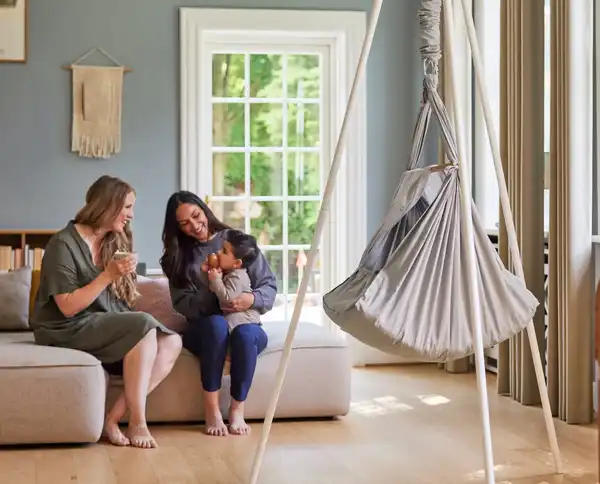
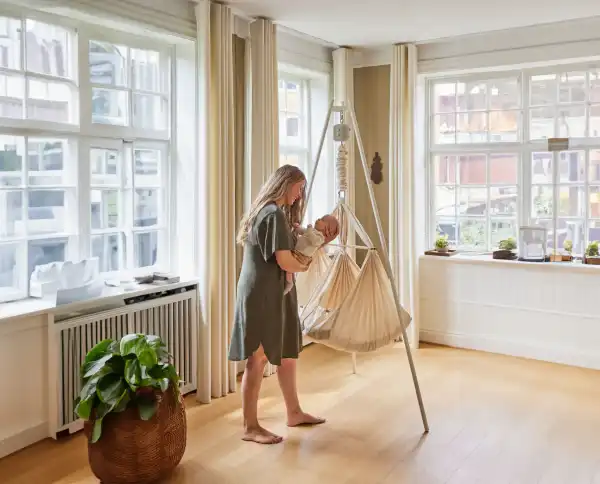
Spring cradle: the classic solution for restlessness on vacation
A spring cradle uses gentle, steady rocking motions to simulate the feeling babies are already familiar with from the womb. In hotel rooms, vacation rentals, or at relatives’ homes, it can be attached to a doorframe or a portable stand and is ready to use in just a few minutes. Its big advantage for travel: compact size, lightweight design, and a little “home-away-from-home” feeling that goes with you wherever you go.
👉 Discover spring cradles & rockers at StrollMe
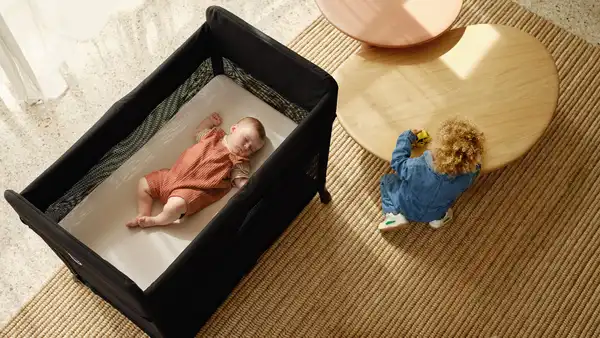
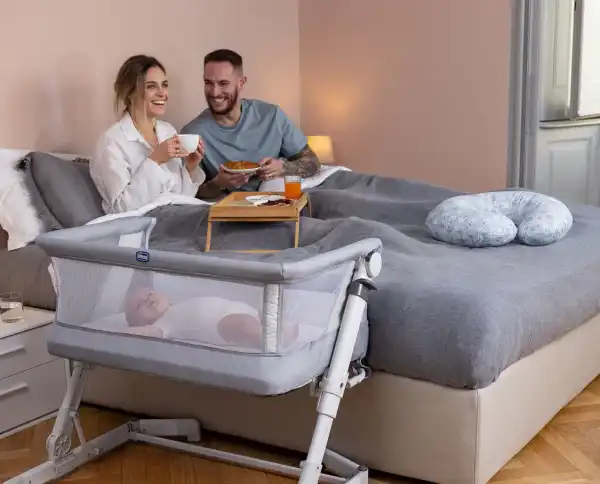
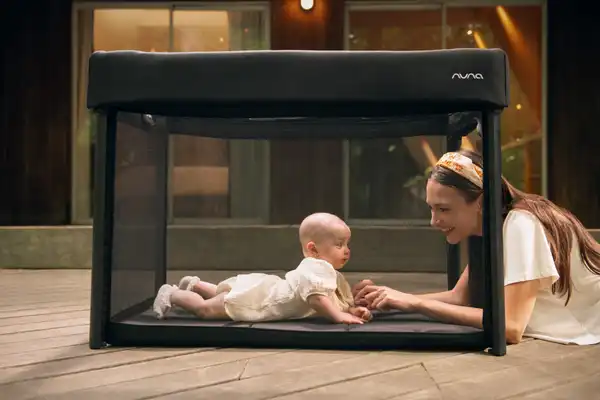
Travel Cribs: A Familiar Sleeping Spot in Miniature Format
Whether in a hotel room, a vacation home, or at Grandma and Grandpa’s: a foldable travel crib gives your child a familiar, enclosed sleeping space with its own mattress and soft side walls—an important sense of familiarity for babies who sleep in their own cribs at home. During the day, the travel crib also serves as a safe play area on the beach or in the room, and with a T-shirt that smells like their caregiver, they’ll sleep twice as well.
Popular Travel Essentials


Baby Carrier: Closeness for a Relaxing Nap
Not every nap has to happen in a crib. On outings, at the airport, or during a city trip, an ergonomic baby carrier is worth its weight in gold: The closeness to Mom or Dad, the familiar heartbeat, and gentle movements let many babies simply “doze off” right in the middle of the hustle and bustle, leaving you with both hands free for suitcases, a stroller, or ice cream.
👉 Discover baby carriers at StrollMe
Travel Stroller: The Underrated Sleeping Spot on the Go
Many babies fall asleep especially well in a stroller during a walk—the motion has a soothing effect similar to a car ride. A lightweight, compact travel stroller with a comfortable reclining position is therefore perfect for simply moving nap time “outdoors” when the hotel room isn’t the right place for it.
👉 Discover travel strollers at StrollMe
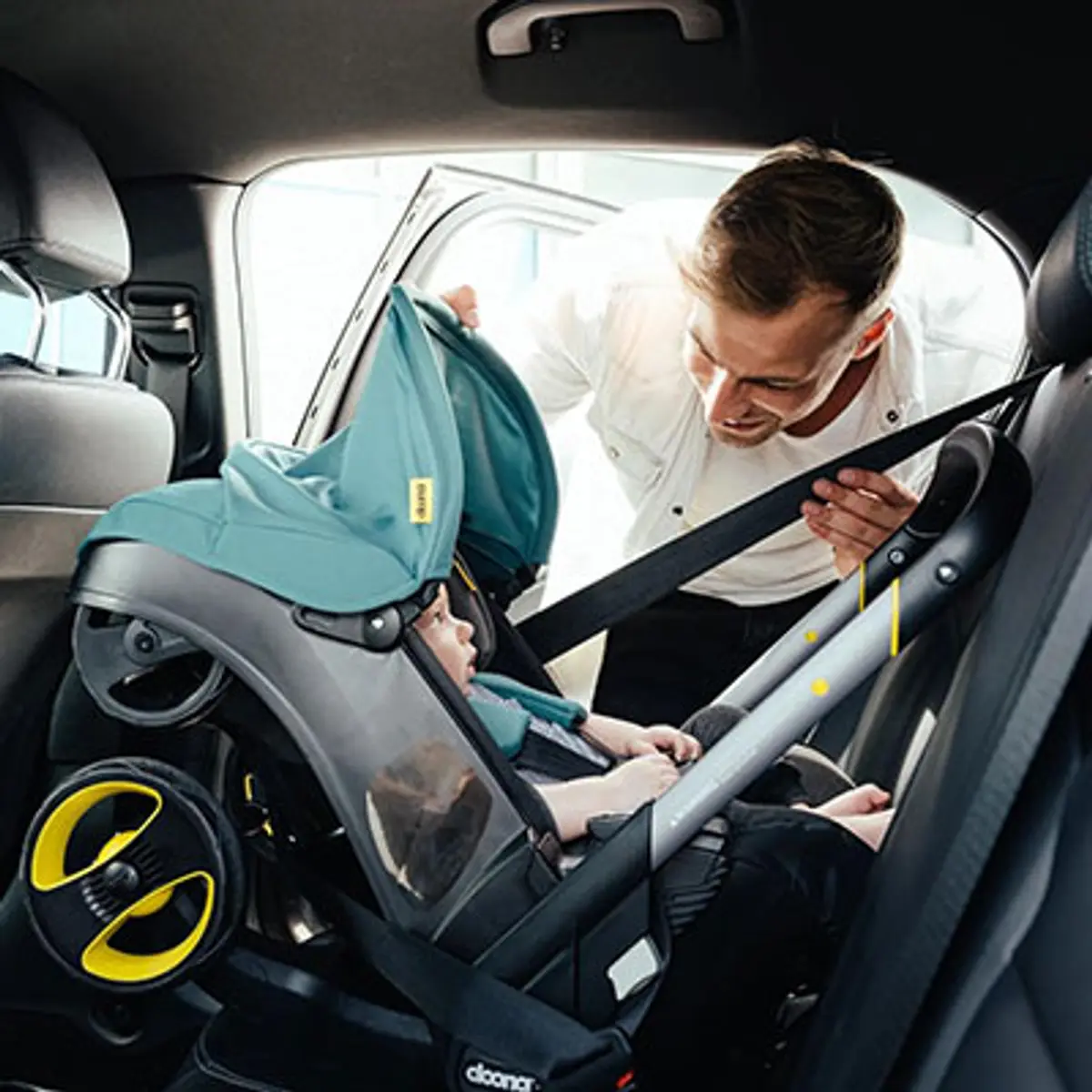
Infant Car Seat: Practical for Cars, Trains, and Transfers
An infant car seat is practical for short naps while traveling. For longer sleep periods, however, your baby should move to a flat, designated sleeping area whenever possible.
👉 Discover infant car seats at StrollMe
Conclusion: Familiarity is the key to better sleep for babies on vacation
Babies sleep worse on vacation because they’re away from their familiar surroundings—not because anything is being done wrong. With the right sleeping spots, such as a cradle, travel crib, baby carrier, or stroller, you can recreate that feeling of home even while on the go.
At StrollMe, you can easily rent all these travel essentials for the duration of your trip, without any high upfront costs, and with free return shipping afterward.


